Matrescence: The Emotional Shift into Motherhood No One Talks About

Throughout my first pregnancy, I struggled to feel connected to the idea of being a “Mom.” Even the word itself felt unfamiliar when I applied it to myself. I knew I would be a mother. I knew that was who and what I was becoming; however, I didn’t yet feel like one.
Some part of me believed that giving birth would change everything. That the moment my baby was placed in my arms, something inside me would shift. That I would finally feel the weight and certainty of it all.
I expected that I would BECOME a Mom.
I just didn’t realize how complicated that becoming would be.
Even as I was in labor, I remember a doctor coming into my delivery room and addressing me as “Mom”. In that moment, I looked over for my own mother before I realized the doctor was talking to me.
I WAS Mom.
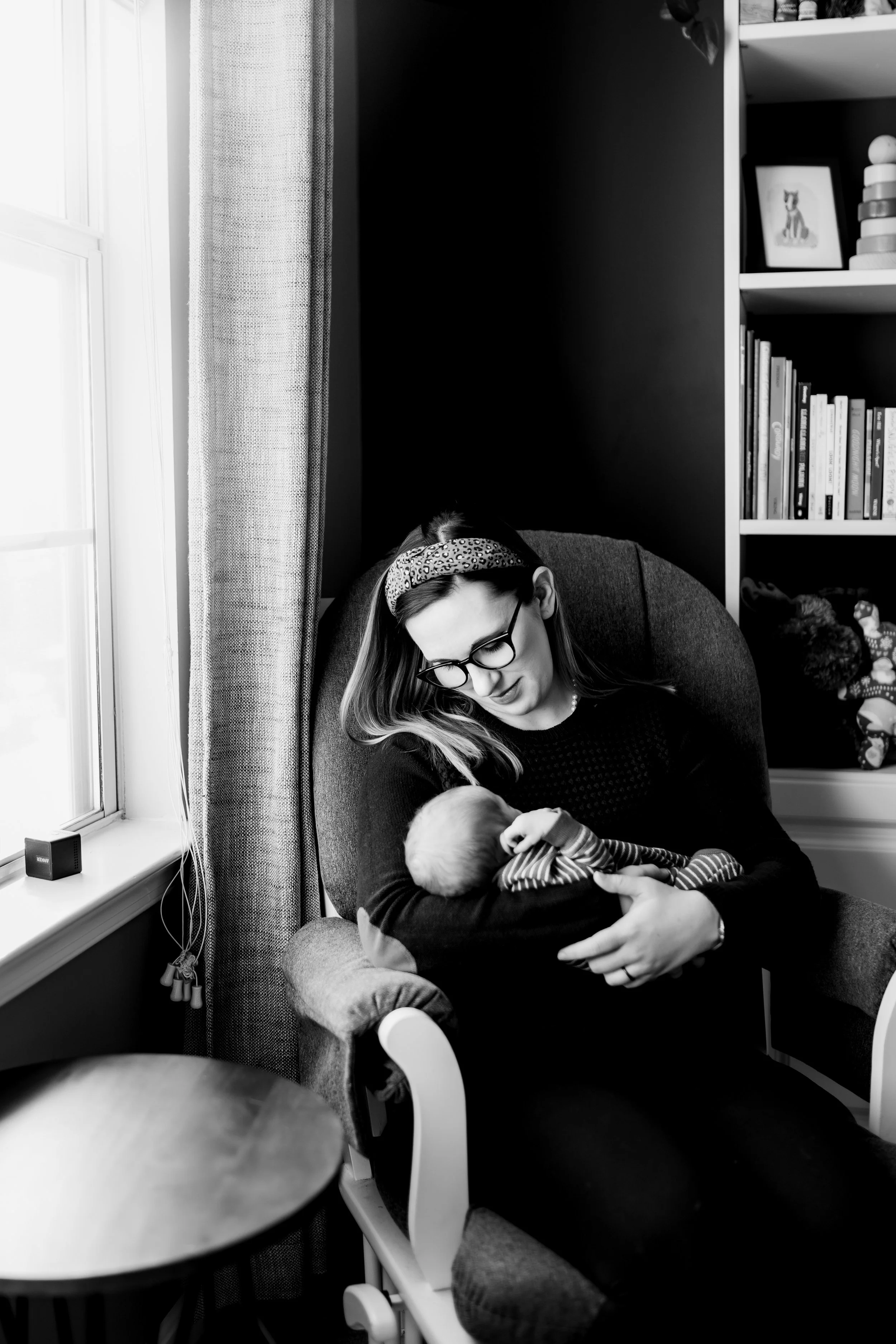
Over the next few hours, I felt myself deeply become a mother as my son was born. My identity felt like it was breaking apart and reforming all at the same time. It was deep and profound and overwhelming and scary. I didn’t know how to talk about it. I didn’t know there was a name for the deep, complicated shift that touches every part of you when you become a parent.
That word is matrescence.
What Is Matrescence?
Matrescence is the physical, emotional, hormonal, and social transformation a person goes through when becoming a mother. The term was coined by anthropologist Dana Raphael in the 1970s, but it’s still not widely known.
It’s a lot like adolescence because, once again, your body, brain, relationships, and identity are all in transition at the same time. You may feel joy and grief, pride and loss, excitement and fear, excitement and loss; all at the same time.
Why We Don’t Talk About It
Many new parents feel like they “should” be overjoyed, especially if others remind them to be grateful for a healthy baby. But gratitude and struggle can coexist. When we don’t have language for our experience, it’s easy to think something is wrong with us.
The truth is, nothing is wrong with you. This is one of the most profound transformations of your life.
How Matrescence Can Feel in Daily Life
For some, matrescence feels like an identity crisis. You might wonder:
Who am I now, besides a mother?
Why do I miss parts of my old life so much?
Why does my body feel unfamiliar?
Why do I feel so tender, so raw?
These questions aren’t signs of failure. They are signs of growth. Your sense of self is expanding, and that can feel disorienting before it fully settles.

When Matrescence Overlaps with Mental Health Challenges
For many parents, the normal stress of matrescence can blend with postpartum depression, postpartum anxiety, or birth trauma. You might notice:
Trouble sleeping even when the baby sleeps
Intrusive or racing thoughts
Feeling disconnected from your baby or yourself
Persistent sadness or numbness
Increased irritability or overwhelm
If these feelings persist, it’s important to seek support. Matrescence can be hard enough; however, untreated perinatal mood and anxiety disorders make it even harder.
You Don’t Have to Navigate Matrescence Alone
If you’re in Virginia and feeling the weight of this transition, I want you to know there is nothing wrong with you. You are not “bad” at motherhood. You are in the middle of a profound transformation; you deserve a place where your full experience can be honored.
I work with mothers across Virginia, both in-person in Herndon and virtually, to support mental health during pregnancy, postpartum, and beyond. My approach blends art therapy, EMDR, and Narrative therapy techniques to help you feel grounded, connected, and whole again.
Schedule a free consultation here and take your next step toward understanding and supporting your unique journey through matrescence.